
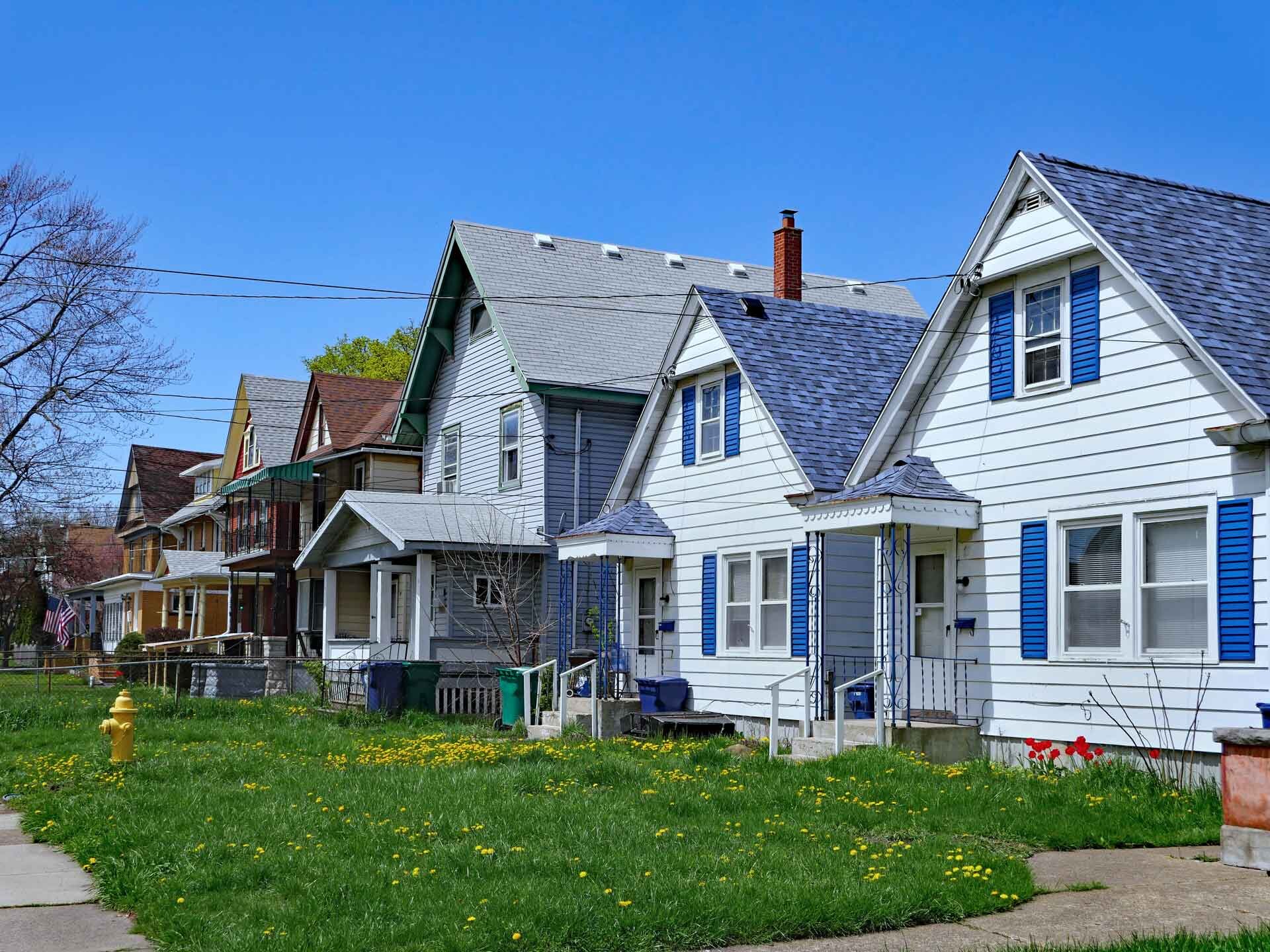
Foreclosure happens when a homeowner can no longer make mortgage payments and has no way to catch up on what they owe. Because a mortgage is a legal contract, defaulting on it gives your lender the right to take you to court, sell the property, and recover the outstanding debt. The result is the same whether you live in Tampa, St. Petersburg, Clearwater, or anywhere else in the Bay area: you lose the home and face years of credit damage.
No one plans for foreclosure. But life doesn’t always go according to plan.
No one anticipates facing foreclosure, yet studies reveal that nearly 1 million Americans worried about losing their homes (U.S. Census Bureau Household Pulse Survey, fielded from July 27 to Aug. 8, 2022). Nearly 1 in 4 American renters and 11% of homeowners reported being behind on housing payments or at risk of losing their home, according to the U.S. Census Bureau Household Pulse Survey (2022). Florida consistently ranks among the states with the highest foreclosure filing rates. Foreclosure can stem from numerous difficult situations, including:
- Job loss or sudden drop in income
- Divorce or death of a spouse or partner
- Mounting medical bills, credit card debt, or student loans
- Relocating without being able to sell the property first
- Hurricane, flood, or storm damage with insufficient insurance
- Inherited property carrying an upside-down mortgage
- Adjustable-rate mortgage payments that have reset higher
StPeteFastHomebuyer.com is a local cash home buying company serving Tampa Bay since 2016. We specialize in buying distressed properties quickly, with no agents, no bank financing, and no delays. If foreclosure is on the horizon, keep reading. This guide was written for you.
What is Foreclosure?
Foreclosure is the legal process a mortgage lender uses to recover what they’re owed when a borrower stops making payments. In Florida, this process is exclusively judicial under Fla. Stat. § 702.01, which means every foreclosure must go through the court system. Unlike states where lenders can foreclose without a lawsuit, Florida requires the lender to file a complaint in the county circuit court, serve you with the lawsuit, and prove their case before a judge before the property can be sold.
That court requirement is important for you as a homeowner. It creates a defined legal timeline, requires formal notice, and gives you the right to respond and raise defenses. It also means you have more time to explore alternatives than homeowners in non-judicial states.
| Key Florida Law: Fla. Stat. § 702.01 All mortgages in Florida shall be foreclosed in equity. This means every foreclosure must go through the circuit court in the county where the property is located. There is no power-of-sale or non-judicial option available to lenders in Florida. See also Chapter 702 — Foreclosure of Mortgages and Statutory Liens for the full statutory framework. |
How Long Do You Have To Get Out of Your House After Foreclosure?
Understanding the Florida foreclosure timeline is the most important thing you can do right now. Each stage has legal implications and deadlines, and knowing where you stand tells you exactly how much time you have to act.
| Stage | Approximate Timing | What It Means for You |
| Missed Payments | Day 1 to Day 120 | Federal law (12 C.F.R. § 1024.39) requires your servicer to contact you by phone within 36 days of a missed payment and in writing within 45 days, outlining loss mitigation options. Under 12 C.F.R. § 1024.41, no legal action can begin until the loan is at least 120 days delinquent. |
| Notice of Default / Breach Letter | Around Day 90–120 | Most Florida mortgages require your lender to send a formal breach letter before filing suit. This letter states the total amount owed and gives you a deadline to cure the default. |
| Lis Pendens Filed | After Day 120 | The lender files a Lis Pendens (Latin for ‘suit pending’) with the county clerk. This is a public notice that a foreclosure lawsuit is coming and appears in the public record. Refinancing or a traditional sale becomes difficult once this is recorded. |
| Lawsuit Filed and Served | Shortly after Lis Pendens | The lender files a complaint in the circuit court per Fla. Stat. § 702.015, and serves you with a Summons and Complaint. |
| Response Period | 20 days from service | You have 20 days to file a written response. If you do not respond, the lender wins by default judgment, which dramatically speeds up the process. Filing an answer preserves your rights. |
| Discovery and Motions | 45 to 90+ days | Both sides exchange evidence. The lender may file a Motion for Summary Judgment. Florida courts may require mediation for homestead properties, providing another negotiation opportunity. |
| Final Judgment and Sale Date | 60–90 days after hearings | If the court rules for the lender, it enters a Final Judgment of Foreclosure. Under Fla. Stat. § 45.031, the foreclosure sale must occur 20 to 35 days after the judgment, unless the court orders otherwise. |
| Foreclosure Auction | 20–35 days post-judgment | The property is auctioned publicly. Per Fla. Stat. § 45.031, the sale notice must be published for at least two consecutive weeks beforehand. The lender typically places a credit bid; if no higher bidder appears, the lender takes the property as REO. |
| Certificate of Title and Eviction | 10 days after sale | If no objections are filed within 10 days of the sale, the clerk issues a Certificate of Title to the new owner. You are no longer the legal owner. A writ of possession may follow, and the sheriff can require you to vacate. |
| How Long Does Florida Foreclosure Take? An uncontested Florida foreclosure averages around 135 days from filing, making Florida the third-fastest judicial foreclosure state. However, if you respond to the lawsuit, raise defenses, or the court docket is congested, the process typically stretches 8 months to over a year. The pre-foreclosure window is your most powerful opportunity. Selling your home for cash before the auction allows you to pay off what’s owed, protect your credit, and walk away on your own terms. |
The Different Types of Foreclosure
There are two different types of foreclosure you may experience: nonjudicial foreclosure or judicial foreclosure.
What Is Non-Judicial Foreclosure?
A non-judicial foreclosure is the fastest and cheapest way for a lender to foreclose on your FL property. It does not require taking you, the homeowner, to court and can be completed according to state statutes. In the case of non-judicial foreclosure, your lender repossesses your home to sell it and recover whatever debt is owed using what’s called a “power-of-sale” clause in the deed of trust. Not every state allows for this option but, if yours does, the lender will generally choose it to avoid any court costs.
What Is Judicial Foreclosure?
In states that require judicial foreclosure, your lender must file a lawsuit asking the court to issue an order to allow for the sale of the home. The lender must provide you with this letter. Whether you agree or not, you must respond to the letter or the lender will automatically win the case and be allowed to put your home up for a foreclosure sale. When the house is sold, you are still required to pay the difference between what you still owe on the mortgage and the amount the house sold for.
Auctions are not like regular home sales and generally the house is not sold for market value. This means that even if your house is in great shape and worth a lot more than what is left on your mortgage, you may still find yourself owing tens of thousands (if not hundreds of thousands) of dollars for a house you no longer own! This is called a deficiency judgment. It’s an expensive and long process for lenders to take to try and recoup their debt, which is why most prefer a non-judicial foreclosure.
Florida Is a Judicial Foreclosure State: What That Means for You
Because Florida requires judicial foreclosure, your lender cannot simply sell your home after giving notice the way lenders can in non-judicial states like Georgia or Texas. They must prove their case in court. This gives you three significant advantages:
| Your Advantage | What It Means in Practice |
| Right to respond | You have 20 days to answer the lawsuit per Fla. Stat. § 702.015. Filing an answer prevents a default judgment and forces the lender to prove standing, proper documentation, and compliance with federal servicing laws. |
| Right to raise defenses | Common defenses include improper service, lender errors in the loan paperwork, failure to follow federal loss mitigation rules, or lack of standing (the entity suing may not actually own your loan). |
| Mediation for homestead properties | Florida courts may require mediation before the case proceeds, giving you a structured opportunity to negotiate with your lender outside of court. |
| More time overall | The court process adds months compared to non-judicial states. An uncontested case moves faster, but a contested foreclosure with active defenses can take considerably longer. |
Deficiency Judgments in Florida: The Risk After the Auction
One of the most misunderstood aspects of Florida foreclosure is what can happen after the auction. If your home sells for less than what you owe on the mortgage, the lender can pursue a deficiency judgment against you for the difference. Foreclosure auctions in Florida regularly produce sale prices well below market value.
Here is how Florida law governs deficiency judgments under Fla. Stat. § 702.06:
| Situation | Florida Rule |
| Owner-occupied primary residence (homestead) | Fla. Stat. § 702.06 caps the deficiency at the difference between the judgment amount and the property’s fair market value at time of sale, not the (often lower) auction price. This protects homeowners from inflated deficiency claims. |
| Rental, investment, or non-homestead property | No fair market value cap applies. The lender can pursue the full difference between the total debt and whatever the property brought at auction. |
| Statute of limitations | Under Fla. Stat. § 95.11, lenders have exactly one year from the date the clerk issues the Certificate of Title to file a deficiency judgment action. After that, the claim is permanently barred. |
| Separate lawsuit allowed | The lender can pursue a deficiency as part of the foreclosure case or file a separate lawsuit. Both routes are available under Fla. Stat. § 702.06. |
| Real-World Example Say you owe $350,000 on your Tampa home and it sells at foreclosure auction for $240,000. The deficiency is $110,000. However, if an appraiser determines the fair market value was $310,000 at the time of the sale, and the property carried homestead exemption, the court will typically limit the deficiency judgment to $40,000 ($350,000 minus $310,000 fair market value), not the full $110,000 gap. Selling before the auction eliminates deficiency risk entirely because there is no shortfall: you receive cash, pay off the mortgage, and close the chapter. |
Frequently Asked Questions: Florida Foreclosure
Does Florida require foreclosure to go through the courts?
Yes. Florida is exclusively a judicial foreclosure state under Fla. Stat. § 702.01. Every foreclosure must be filed as a lawsuit in the circuit court in the county where the property is located. There is no non-judicial or power-of-sale option for lenders in Florida. This gives you the right to respond, raise defenses, and participate in mediation before any sale can occur.
How long does the Florida foreclosure process take?
An uncontested Florida foreclosure averages around 135 days from the filing of the lawsuit. However, if you respond to the lawsuit and raise defenses, the timeline extends to 8 months to over a year. County court docket congestion, lender delays, and bankruptcy filings can all extend the process further.
Can I sell my house after foreclosure has started in Florida?
Yes. You can sell your property at any point before the foreclosure sale is finalized and the Certificate of Title is issued to the new owner. Once you have a signed contract with a buyer and a closing date set, the sale proceeds pay off the outstanding mortgage balance and the foreclosure is stopped. The earlier you reach out, the more time we have to close before your auction date.
What is a deficiency judgment and can it happen in Florida?
A deficiency judgment is a court order requiring you to pay the difference between what you owed on the mortgage and what the foreclosure auction produced. Florida allows deficiency judgments under Fla. Stat. § 702.06. For owner-occupied homes with homestead exemption, the deficiency is capped at the difference between the judgment amount and the property’s fair market value, not the lower auction price. Lenders have one year from the Certificate of Title date to file under Fla. Stat. § 95.11. Selling before the auction eliminates this risk entirely.
What is a Lis Pendens in Florida foreclosure?
A Lis Pendens is a public notice the lender files with the county clerk when initiating a foreclosure lawsuit. It appears in the public record and signals that the property is involved in active litigation. Once a Lis Pendens is recorded, it becomes very difficult to refinance or sell through traditional channels. However, a cash buyer like StPeteFastHomebuyer.com can still close on a Lis Pendens property because we do not require standard financing or typical title insurance conditions.
What happens if I don’t respond to the foreclosure lawsuit?
If you do not file a written response within 20 days of being served, the lender can motion for a default judgment per Fla. Stat. § 702.015. Once entered, the case moves directly to scheduling the foreclosure sale with no further opportunity for you to raise defenses. This is one of the most consequential mistakes Florida homeowners make.
Does Florida have a right of redemption after foreclosure?
In most Florida foreclosures, there is no post-sale statutory right of redemption. Once the Certificate of Title is issued to the winning bidder, ownership transfers and cannot generally be recovered. The right to redeem exists before the sale, by paying off the full judgment amount. After the sale, your options are extremely limited, which is why acting before the auction is so critical.
Does StPeteFastHomebuyer.com buy homes in pre-foreclosure in Tampa Bay?
Yes, and this is one of our most common scenarios. We work with homeowners at every stage of the Florida foreclosure process, from the first missed payment through active Lis Pendens filings. We assess the property, make a fair cash offer reflecting current Tampa Bay market conditions, and can close on a timeline designed to beat your auction date. We handle properties with back taxes, liens, code violations, deferred maintenance, and other complications that make traditional sales difficult.
How to Sell Your House Before Foreclosure in FL
Let’s break down a few ways you can sell your house, depending on your time frame and situation:

Hire A Real Estate Agent
When facing property challenges, most Americans automatically consider hiring a local real estate agent. However, this traditional approach has significant drawbacks, especially during financial hardship like foreclosure. While experienced agents can list your property on the MLS and manage showings, their services come at a steep cost. Agent commissions typically range from 3% to 6% of your final sale price – money that goes directly from your proceeds to their pocket. When you’re already struggling with overwhelming debt and need every dollar to satisfy your lender, losing thousands to commission fees can be financially devastating.
Additionally, there’s the ongoing uncertainty of not knowing when your property will actually sell. Real estate agents may make big promises, but ultimately you’ll still need to locate the perfect buyer and endure 30+ days for a conventional closing. For homeowners facing foreclosure and displacement, even a one-month delay could be devastating.

Short Sale
When you owe more on your home than its current market value, your real estate agent may suggest a short sale. This situation occurs when your mortgage balance exceeds your property’s worth. For instance: if your mortgage balance is $200,000 but your home’s current market value is only $150,000, you’re facing an underwater mortgage requiring a short sale. While this might appear to be a viable solution, the process is neither quick nor straightforward.
Initially, you must secure your mortgage lender’s written approval. To qualify for a short sale, you’re required to demonstrate genuine financial hardship through extensive documentation including W-2 forms, medical expenses, and other financial records. In cases involving income loss, lenders demand proof that this financial setback is permanent and unlikely to improve. Even with lender approval, you’ll need specialized real estate agents and attorneys experienced in short sales, and their fees remain the same as traditional property transactions.
If your foreclosure proceedings haven’t progressed too far and you’ve maintained communication with your mortgage company, they’ll likely approve the short sale request. This arrangement helps them avoid the costly and time-consuming foreclosure process while recovering a portion of their losses from unpaid mortgage payments. However, for typical homeowners, the short sale’s negative impact will affect their financial standing for 5 to 7 years.
While you may have successfully sold your property and reduced some debt, a short sale can devastate your credit score similarly to bankruptcy. Credit reporting agencies record both the mortgage delinquency and the short sale, creating significant barriers for former homeowners seeking credit cards, auto loans, or future home purchases for the same duration as bankruptcy consequences.

Sell Your House AS-IS to A Cash Buyer
If you’re racing against time to sell your home before foreclosure proceedings force you out, you have several options! You can try listing with a real estate agent, work with your lender to negotiate a short sale, or – most efficiently – partner with a trusted cash buyer who understands urgent situations and can close quickly.
Some of the benefits of selling to a direct cash investor include:
- A quick and pain-free closing process.
- Avoid paying any commissions or fees.
- You won’t have to worry about marketing your house and waiting for a buyer.
- No need to clean-up or complete any repairs!
When you sell your home as-is to a direct cash buyer, you not only can avoid losing your home to an auction, but you also may be able to sell the property for enough money to get out of financial debt. Moving on with your life without the burden of a monthly mortgage payment and debt hanging over your head is one of the best gifts you can give yourself!
Can You Stop Foreclosure Once it Starts?
Pay Off Your Loan & Fees
Facing financial pressure can feel overwhelming. When debt continues to grow while your income stays flat, it’s crucial to take decisive action to prevent foreclosure and regain control. Consider liquidating assets you no longer need, or reach out to trusted friends and family who might offer temporary financial assistance or a short-term loan. If you’re committed to eliminating debt and protecting your home, consulting with a financial advisor can help you create a realistic budget and payment strategy. By combining multiple approaches and staying focused on your goals, you can overcome financial challenges and return to a more secure, stress-free lifestyle.
Declare Bankruptcy
While bankruptcy can temporarily halt foreclosure proceedings, it should be considered only when all other options are exhausted due to its significant long-term consequences. The bankruptcy process is intricate and demands specialized legal representation from an experienced bankruptcy attorney. If approved by the court, you’ll be enrolled in a mandatory government-supervised credit counseling program, and the bankruptcy filing will remain on your credit report for seven years. This financial decision impacts every aspect of your financial life, from securing auto loans and credit cards to opening bank accounts, and may prevent you from qualifying for rental properties in the future.
The Homeowner Affordability and Stability Plan (HASP)
If your debt is higher than your income, you may be eligible for the Homeowner Affordability & Stability Plan (HASP). HASP is a loan modification program targeted at borrowers who are at risk of foreclosure due to insufficient income. This government program was designed to help homeowners in the United States restructure their monthly payments to fit a limited budget. Apply for the program here to see if you qualify.
Sell Your House Fast to a Cash Buyer
Need to sell your house quickly but can’t wait weeks for a traditional closing? Worried a short sale will damage your credit score? Want to eliminate all your debt at once and get financial relief fast? A direct cash buyer might be the perfect solution you’ve been looking for! When you partner with a reputable local investor, you’ll work with a reliable company that has immediate funds ready to purchase your property as-is. With a cash sale, you can avoid the stress of foreclosure, eviction, and auction in just days while protecting your credit!
You may not get full market value for your house or property when you sell to a trusted cash investor, but the timeliness of a fast closing, and the lack of fees, required inspections, and commissions often balance this out at close. Best of all, because an investor can close fast, you can often close before the bank is able to auction off your property! This means you can sell the property for the amount that benefits you versus the pennies to the dollar price the bank will often try to sell your house for just to get it off the books.
Official Resources
The following sources are cited throughout this page and may be useful for homeowners
| Resource | Link |
| Fla. Stat. § 702.01 — Judicial Foreclosure (Equity) | flsenate.gov/Laws/Statutes/2025/0702.01 |
| Fla. Stat. § 702.06 — Deficiency Judgments | flsenate.gov/Laws/Statutes/2025/0702.06 |
| Chapter 702 — Foreclosure of Mortgages (Full Chapter) | flsenate.gov/Laws/Statutes/2025/Chapter702/All |
| Fla. Stat. § 45.031 — Foreclosure Sale Procedure | flsenate.gov/Laws/Statutes/2025/45.031 |
| Fla. Stat. § 95.11 — Statute of Limitations (Deficiency) | flsenate.gov/Laws/Statutes/2025/95.11 |
| 12 C.F.R. § 1024.41 — Federal Loss Mitigation Rules | ecfr.gov — 12 C.F.R. § 1024.41 |
| 12 C.F.R. § 1024.39 — Early Intervention Requirements | ecfr.gov — 12 C.F.R. § 1024.39 |
| HUD-Approved Housing Counselors (Free) | hud.gov — Find a Housing Counselor |
| CFPB — Foreclosure Key Terms Explained | consumerfinance.gov — Foreclosure |
| Florida Bar Lawyer Referral Service | floridabar.org/public/lrs |
| U.S. Census Bureau Household Pulse Survey | census.gov — Household Pulse Survey |
Act Before the Auction Date: Get a Cash Offer Today
If you are facing foreclosure in Tampa, St. Petersburg, Clearwater, or anywhere in the Tampa Bay area, the most important thing you can do is act now. Florida’s judicial process gives you more time than most states, but that window has hard deadlines built into the law. Once the Certificate of Title is issued, your options disappear.
A conversation with StPeteFastHomebuyer.com costs you nothing. We will assess your property honestly, explain what we can offer, and let you decide with zero pressure. Most homeowners receive a cash offer within 24 hours of reaching out.
| Ready to Explore Your Options? Contact StPeteFastHomebuyer.com today for a free, no-obligation cash offer on your Tampa Bay area home. We serve Hillsborough, Pinellas, Pasco, Polk, Hernando, Sarasota, and Manatee counties. 813-906-9011 | Get Fair Offer Now Testimonial from our client Karin “I was going through some financial difficulties and needed to sell my house fast, so I reached out to St Pete Fast Home Buyer. They responded really quickly and were super easy to talk to. They explained everything clearly and made the whole process simple and stress-free. The whole team was friendly, professional, and very understanding, which meant a lot during such a tough time” |
We Buy Houses in Foreclosure & Pre-foreclosure–
Get Your Offer Today!
Does the idea of finally walking away from a property without the storm cloud of foreclosure hanging over your head? Contact a real professional at StPeteFastHomebuyer.com to find out more and get a fair cash offer for your property today.